If you are selling in Sherman Oaks, presentation is not a nice-to-have. It is a price and timing lever. In a balanced market, small upgrades and polished marketing can be the difference between a quick, confident contract and weeks of carrying costs. You want clear guidance on what to do, what to skip, and how much to invest to get real results.
Below, you will learn which prep moves reliably shorten days on market and nudge offers higher, how to stage and photograph your home for maximum impact, and a step‑by‑step plan tailored to Sherman Oaks. Let’s dive in.
Why preparation matters in Sherman Oaks
As of January 2026, Sherman Oaks homes are trading in the upper six figures to low seven figures, with a median around the mid $1.5 million range. Recent monthly snapshots show median days on market in the mid‑70s. Reporting shifts month to month, but the takeaway is steady: this is a balanced environment where presentation and pricing both shape your outcome.
Buyers here tend to expect move‑in‑ready condition, indoor and outdoor flow, abundant natural light, and reasonably updated kitchens and primary suites. National buyer‑agent findings also point to three rooms that most influence decisions: the living room, the primary bedroom, and the kitchen. Focus your prep where buyers focus their attention.
The four levers that move results
Stage the right rooms
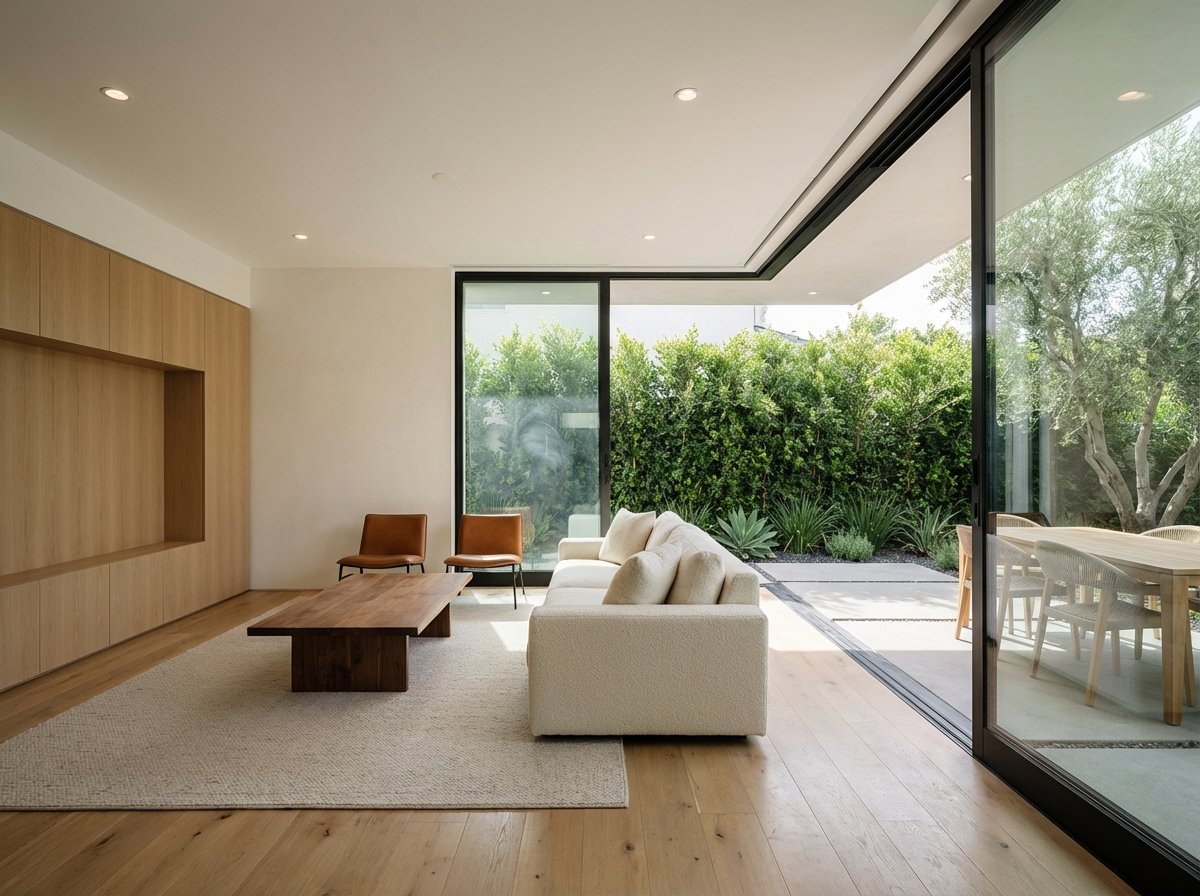
Staging helps buyers imagine life in your home. According to a national survey, about 81 percent of buyers’ agents say staging makes it easier for buyers to visualize a property as their future home, 48 percent of sellers’ agents report staging decreases time on market, and roughly 20 percent say staging increases the dollar value of offers by 1 to 5 percent compared with similar unstaged homes. These stats also align with agent recommendations for pre‑list prep like decluttering, cleaning, minor repairs, and professional photos. You can review the summary in this NAR staging study.
In the Sherman Oaks price band, even a 1 percent lift is meaningful. On a $1.5 million sale, that is $15,000. Partial professional staging that concentrates on the living room, primary bedroom, and a simple kitchen vignette often delivers the best return. Costs vary by scope, and full‑home packages commonly run in the low thousands in many metros. For a useful overview of how sellers weigh these costs, see this industry discussion of staging ROI and fees.
Elevate photography and media
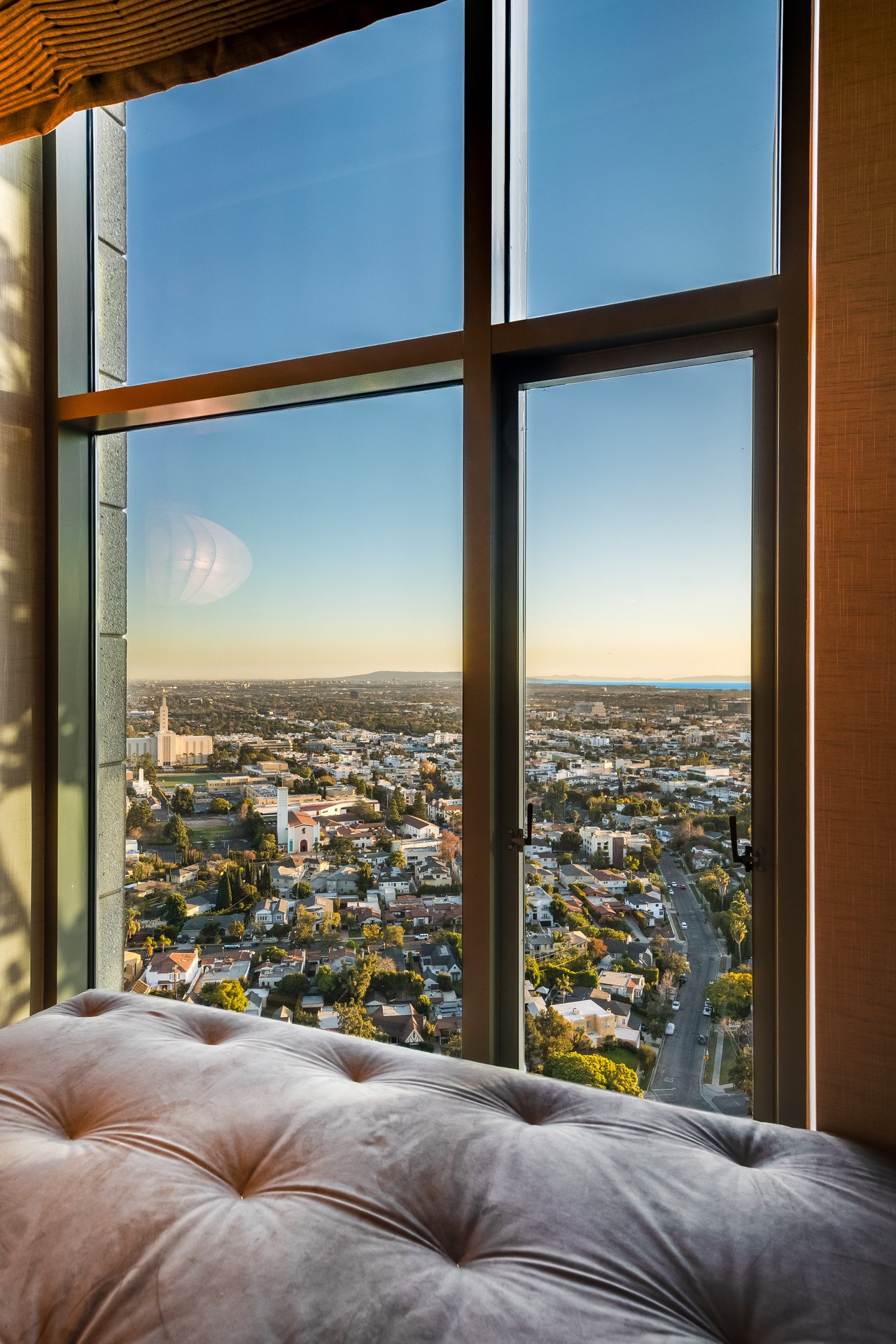
Most buyers discover your home online, so photos are your first showing. Agents consistently rank professional photography at the top of pre‑list to‑dos, and industry analyses show that premium imagery and robust media like floor plans and 3D tours attract materially more views and showing requests. Listings with high‑quality media often see shorter days on market and stronger buyer confidence. You can explore findings on media impact in this overview of professional photo effects.
For higher‑priced Sherman Oaks homes, a standard HDR photo set plus drone exteriors and a 3D tour is common because it boosts click‑through and helps out‑of‑area buyers qualify the home from afar. Typical packages start in the low hundreds for photos, with add‑ons like twilight shots, drone, and Matterport tours adding to the total. For a cost primer, review photography package pricing factors.
Tips for best results:
- Book photos after staging, paint, and landscaping are complete.
- Choose a bright day and open shades to maximize light.
- Capture the indoor and outdoor connection and any view or yard assets.
Targeted cosmetic updates
You do not need a major remodel to sell well. Studies that track cost versus value routinely find that smaller, visible projects tend to recoup more at resale than large, complex overhauls. Fresh neutral paint, lighting upgrades, hardware swaps, a front or garage door refresh, and basic kitchen improvements like painted cabinets or new counters often offer the best real‑world balance of cost and return. For a West Coast–oriented perspective on recapture trends, see this regional ROI summary.
In Sherman Oaks, aim to deliver move‑in ready visuals without triggering lengthy permits. Think patching, paint, LED bulbs, updated fixtures, and tidy surfaces. For paint, plan on a few thousand dollars for a typical interior refresh depending on square footage, and confirm local quotes before you start.
Landscaping and curb appeal
Curb appeal changes first impressions online and at the curb. Agent checklists frequently include simple front‑yard refreshes like power washing, mulch, trimmed hedges, potted color, and a front‑door update because they are lower cost and high impact. You will see these items prioritized in the NAR pre‑list recommendations. More extensive hardscape should be judged against local comps and your timing.
A prioritized Sherman Oaks prep plan
Use this as your decision flow.
Essentials first
- Declutter, depersonalize, and deep clean. These steps are agent mainstays for a reason. Do them before photos.
- Professional listing photos. Start with a strong HDR set, then add drone and twilight if your lot or view warrants it.
- Minor repairs and safety fixes. Address leaks, squeaks, burned bulbs, and loose hardware to reduce buyer friction.
- Neutral paint in scuffed or distinctive rooms. This is often one of the highest‑impact cosmetic moves.
- Curb appeal refresh. Mow and trim, add mulch and potted plants, and ensure the entry reads clean and welcoming.
High‑impact, medium cost
- Partial professional staging. Focus on the living room, primary bedroom, and kitchen vignette.
- Lighting and window treatments. Use warm LEDs and a couple of lamps per living area to boost light in photos and showings.
- A basic kitchen refresh. Paint cabinets, update hardware, and consider a modest counter resurfacing rather than a full layout change. Market research shows minor kitchen projects tend to outperform full remodels on cost recovery.
Conditional or skip
- Major additions or luxury upgrades. These take months and usually do not recoup quickly on a sale timeline. If you consider one, review permitting and code early with LADBS guidance.
- Over‑personalized finishes that exceed the neighborhood norm. These can appeal to a niche audience but do not reliably raise appraised value enough to cover cost.
Timing, sequence, and leverage
Sequence your prep to compress time on market and show your best day one.
- Order of operations: repairs, then paint, then staging, then photos and 3D tour, then go live. Agents emphasize this order because your photos are the first impression and should capture the final presentation.
- When to list: national analyses have found a small advantage to launching late in the work week, especially Thursday, so your home is fresh for weekend searchers and tours. Use your agent’s read of local MLS rhythms to time it.
- Negotiation power: polished presentation increases showings and perceived move‑in readiness, which can shorten days on market and raise the odds of multiple offers. Agent surveys connect staging and strong media to reduced time on market and modest increases in offer value.
Illustrative budget paths
Every property is different. These scenarios help you frame scope. Always confirm current local quotes.
Low‑touch, cost‑conscious, about $500 to $2,500
- DIY declutter and professional cleaning, limited paint touchups, professional photos, and a quick curb refresh. Expect faster initial interest and a modest reduction in days on market.
Mid‑touch, market‑competitive, about $2,500 to $15,000
- Pro photos with twilight or drone and a 3D tour, partial professional staging of key rooms, new interior paint in main areas, and targeted kitchen or bath refreshes like hardware and counters. This level often creates visible differentiation in a balanced market.
High‑touch, premium, $15,000 and up
- Full staging, comprehensive photo and video with 3D and drone, and select exterior or kitchen and bath updates known to recoup well. For many sellers pricing at or above neighborhood medians, this approach delivers the strongest presentation and the best probability of multiple offers when demand exists. For context on staging costs and outcomes, see this overview of staging value and fees and this look at media package pricing.
How we implement in Sherman Oaks
You deserve a launch that looks and feels premium. Our process pairs neighborhood expertise with hands‑on curation so you do not have to manage vendors or guess at scope.
- Full market‑prep program. We coordinate staging, design input, landscaping touch‑ups, and light trades to deliver a cohesive, move‑in‑ready presentation.
- Polished digital storytelling. We produce high‑resolution galleries, floor plans, and 3D tours, and we deploy property‑level microsites for marquee listings to control the narrative and elevate buyer perception.
- Distribution tailored to your goals. We blend discreet, confidential handling for privacy‑sensitive sellers with broad syndication when reach will drive value, plus proactive collaboration with peer luxury agents to capture the right buyer quickly.
If you are weighing prep decisions for a Sherman Oaks sale, let’s talk through your goals, timing, and the comps that set the bar. Connect with Michael LaMontagna to align a plan that fits your timeline and maximizes your outcome.
FAQs
What prep delivers the biggest payoff in Sherman Oaks?
- Staging key rooms paired with professional photography usually offers the strongest cost‑to‑impact ratio, with cosmetic updates and curb appeal as the next priorities.
How much should I budget for staging and photos?
- Many sellers plan a few thousand dollars for partial staging and a few hundred dollars for professional photos, with add‑ons like drone or 3D tours increasing the total.
Should I remodel my kitchen before listing my Sherman Oaks home?
- Large remodels rarely recoup quickly on a sale timeline, so focus on minor kitchen improvements like paint, hardware, lighting, and selective counter updates.
Does the day I list really matter in a balanced market?
- It can make a small difference, and launching late in the work week can help you capture weekend search traffic and tour momentum.
How long does market prep usually take before going live?
- Most light prep plans fit into two to four weeks, covering repairs, paint, staging, and media, though timelines vary with scope and vendor availability.