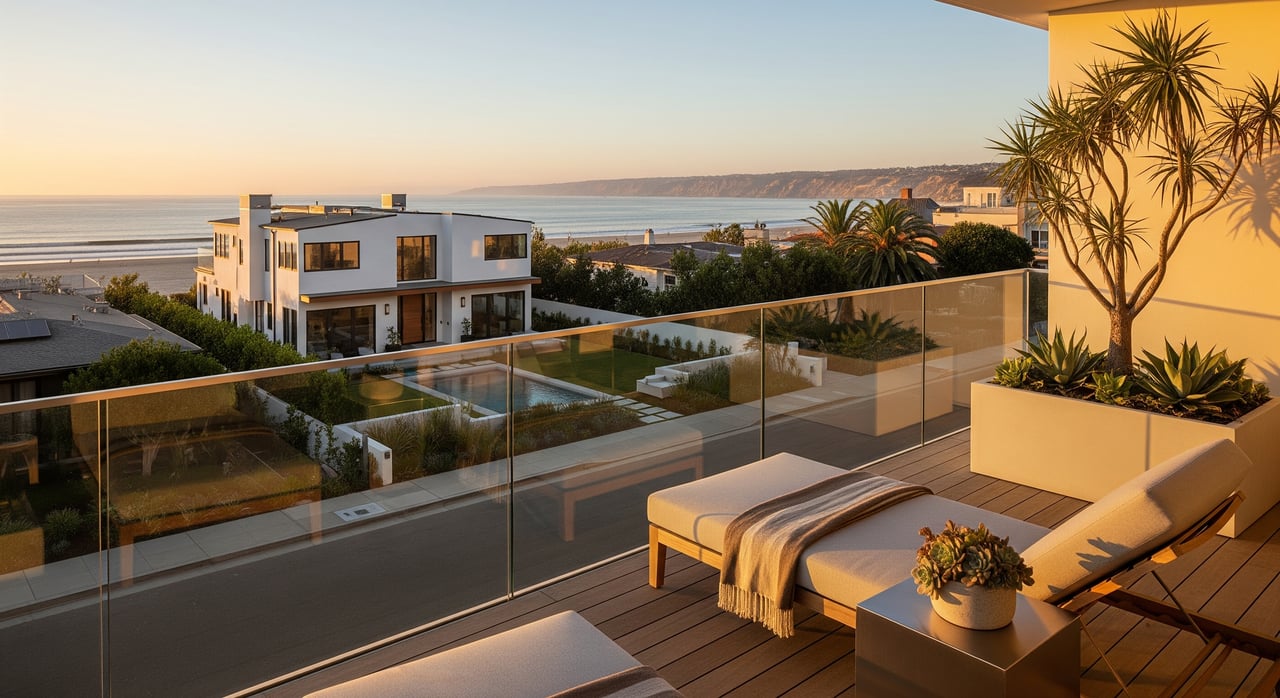
Thinking about living near the beach in Santa Monica but not sure if a condo or a house fits you best? You’re not alone. The choice often comes down to how you want to live day to day, what you want to maintain, and how close you want to be to the sand, shops, and transit.
In this guide, you’ll learn the key differences in ownership, costs, parking, outdoor space, and local rules so you can make a confident decision. You’ll also get a simple checklist to compare options and a clear path to due diligence. Let’s dive in.
Condo vs house basics
Condo ownership means you own the interior of your unit and share ownership of common areas with other owners. You are part of a homeowners association that sets rules, collects dues, and manages reserves under California’s Davis-Stirling Act. If you want a deeper overview of HOA structure and governance, review the Davis-Stirling resources at the Davis-Stirling Common Interest Development Act.
A single-family home is typically fee simple ownership of the structure and the land. You control maintenance, upgrades, and the yard. There is usually no HOA unless you buy in a planned community with shared services.
Insurance differs. Condo buyers typically carry an HO-6 policy for interior coverage and loss assessment. House owners carry an HO-3 policy that insures the structure and improvements, which can cost more because it covers the entire building.
Santa Monica lifestyle context
In Santa Monica, proximity to the beach, shops, and transit is a major lifestyle driver. Condos near Ocean Avenue, the Promenade, and the Pier often offer easy walkability to dining, the beach path, and transit connections. Houses in established residential areas often provide more space and privacy with a short bike or drive to the shore.
You’ll see more condo buildings downtown and near the coast. Many single-family homes sit north of Wilshire and in parts of Ocean Park and Sunset Park. Your day-to-day rhythm matters. If walkability and low-maintenance living come first, a well-managed condo near the core may fit. If you want a yard, a driveway, and quieter streets, a house in a residential pocket may be better.
For city services, parking programs, and planning resources, explore the City of Santa Monica.
Parking and transportation
Parking can be tight in Santa Monica. Condos often include assigned or deeded spaces in a garage. Confirm whether spaces are deeded or simply assigned and whether there is guest parking. Ask about EV charging policies if you need them.
Single-family homes usually have a private driveway or garage. Street parking is often regulated by neighborhood permits. Before you buy, review the permit rules for your specific block on the City of Santa Monica.
Transit is a real option here. Access to Big Blue Bus routes and connections to the Metro E Line can ease a Westside or downtown commute. If you plan to rely on transit or biking, factor proximity into your search regardless of property type.
Costs, financing, and monthly budget
Purchase price patterns: in Santa Monica, single-family homes often carry a premium over condos because land is valuable. Condos can be more accessible for entry price, but monthly HOA dues add to carrying costs.
Financing differs for condos. Lenders evaluate the building’s financial health, owner-occupancy ratio, and reserve levels. Some projects may not meet standard guidelines. Review project eligibility with your lender early, and use resources like the Fannie Mae condo project guidelines to understand the basics.
Ongoing monthly costs to compare:
- HOA dues for condos, which can be higher in full-service buildings with amenities.
- Special assessments in older or upgrading buildings. Review the reserve study, budget, and recent board minutes.
- Property taxes for both property types under California rules, plus any supplemental or parcel taxes. For broad buyer guidance, the California Association of Realtors is a helpful resource.
Insurance and coastal risk
Coastal location can influence insurance availability and cost. Condo owners typically carry HO-6 coverage for interior finishes and personal property, plus loss assessment. House owners carry HO-3 policies that insure the entire structure and often cost more.
Check flood and coastal risk before you fall in love with a property. Use the FEMA Flood Map Service Center to see flood zones, and explore long-term sea level scenarios with the NOAA Sea Level Rise Viewer. Ask your insurer how these risks affect premiums.
Local rules: rentals and rent control
Short-term rentals are tightly regulated in Santa Monica. Many buildings and the city restrict vacation rentals, and registration or inspections may be required. Always verify current rules on the City of Santa Monica and confirm any HOA restrictions.
Santa Monica has rent control and tenant protections that may apply depending on property type and the building’s age. If you intend to rent, consult the Santa Monica Rent Control resources and review the Santa Monica Municipal Code via Municode for the latest regulations.
Maintenance and amenities
Condos shift exterior and common-area maintenance to the HOA. That convenience can be worth the dues if you prefer a lock-and-leave lifestyle. Many buildings near the beach offer concierge services, gyms, pools, and package rooms.
Houses put you in control. You can upgrade your outdoor spaces, consider ADUs if zoning allows, and tailor the property to your taste. You also take on roof, yard, and systems upkeep. Budget for periodic large expenses like HVAC or roofs.
Privacy and noise also vary. Condos share walls and common spaces, which brings neighbor contact and HOA rules. Houses offer more separation and typically fewer rules, unless a community association is involved.
Due diligence checklist
For a condo, request and review:
- CC&Rs, bylaws, and rules.
- Current budget, financials, reserve study, and the HOA insurance certificate.
- Recent board meeting minutes for the last 6 to 12 months.
- Any pending litigation, special assessments, or planned capital projects.
- Parking rights, storage, and pet policies.
- Rental rules and short-term rental restrictions at both the HOA and city level.
For a single-family home, confirm:
- Preliminary title report and any easements.
- Permit history for additions or remodels and current zoning or lot coverage limits.
- Neighborhood parking permit requirements.
- Any private road, maintenance district, or HOA obligations.
For both property types, complete:
- Full home and pest inspections, including foundation, roof, plumbing, electrical, HVAC, and drainage.
- Flood and coastal risk checks via FEMA maps and the NOAA SLR Viewer.
- Property tax history and any parcel or special assessments.
- Financing review, including condo project eligibility if applicable.
Decision framework you can use
Weigh these variables based on your priorities:
- Budget: entry price plus monthly carrying costs.
- Maintenance tolerance: low tolerance favors a condo.
- Outdoor space: strong desire for a private yard points to a house.
- Parking: need for a private garage or multiple spaces may favor a house.
- Walkability and transit: downtown convenience often favors condos.
- Privacy and noise sensitivity: houses usually offer more separation.
- Rental intent: verify HOA and city rules before you count on income.
Who tends to choose what
- Relocating professional who wants walkability and low maintenance: a condo near downtown often fits.
- Household that values a yard, driveway, and room to grow: a single-family home in a residential neighborhood may be better.
- Lifestyle buyer seeking security and services: a full-service building near the beach often delivers.
Resale and liquidity factors
Condos live and die by building health. Strong reserves, good management, stable dues, and loanable status expand your buyer pool. Special assessments or litigation can slow sales.
Houses trade on land, lot size, privacy, and potential. Expansion options and tasteful upgrades can support value, subject to local zoning and permitting. In both cases, proximity to the beach, condition, and ease of parking shape demand.
The bottom line
There is no one-size-fits-all choice in Santa Monica. If you want simplicity, services, and direct access to the beach and downtown energy, a condo can be smart. If you want outdoor space, control, and privacy, a house likely fits better. Your best move is to align property type with how you plan to live, then verify the details with focused due diligence.
If you want a quiet, high-touch search tailored to your lifestyle, reach out to Michael LaMontagna for buyer representation that is discreet, attentive, and results-driven. Request a confidential consultation and move forward with clarity.
FAQs
Is a condo or house cheaper in Santa Monica?
- Generally, condos have lower entry prices than single-family homes, but HOA dues add to your monthly budget, so compare total carrying costs before deciding.
How do HOA rules affect daily life in a Santa Monica condo?
- HOA rules guide noise, renovations, amenities use, parking, and rentals, so read CC&Rs, bylaws, minutes, and budgets to understand how the building operates.
What should I know about Santa Monica parking when I buy?
- Many condos offer garage spaces while houses often have driveways or garages, and some blocks require residential permits, so verify the exact rules for your address.
Can I rent out my condo or house in Santa Monica?
- It depends on HOA rules and city regulations, including strict short-term rental policies and rent control in some cases, so confirm both before you buy.
Are condos harder to finance than houses?
- Some condos must meet lender project standards for reserves, occupancy, and litigation, so check eligibility with your lender early and plan for possible extra documentation.
How do coastal risks impact my purchase?
- Review FEMA flood zones and NOAA sea level rise data, then speak with your insurer to understand coverage, deductibles, and premium differences between locations and property types.