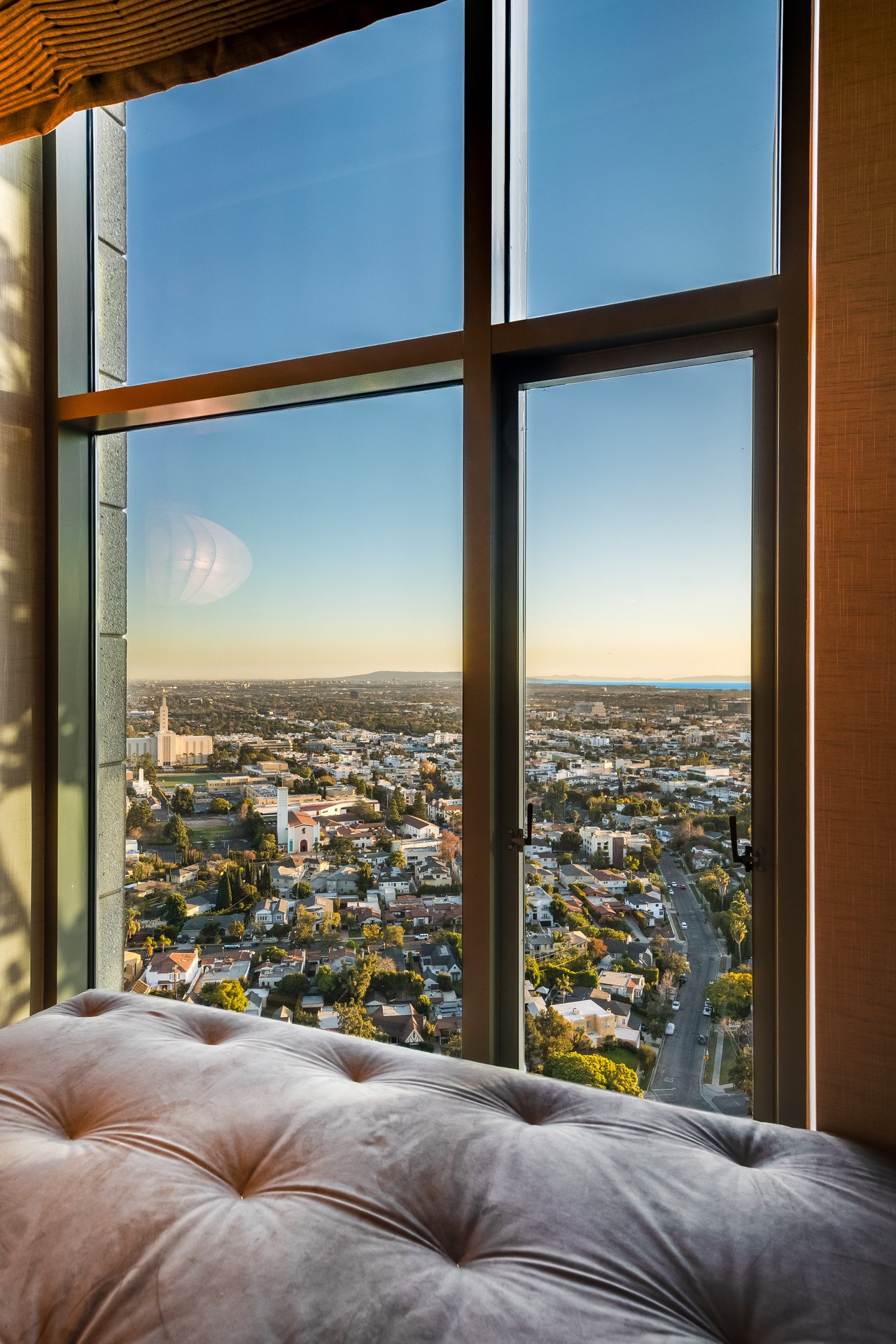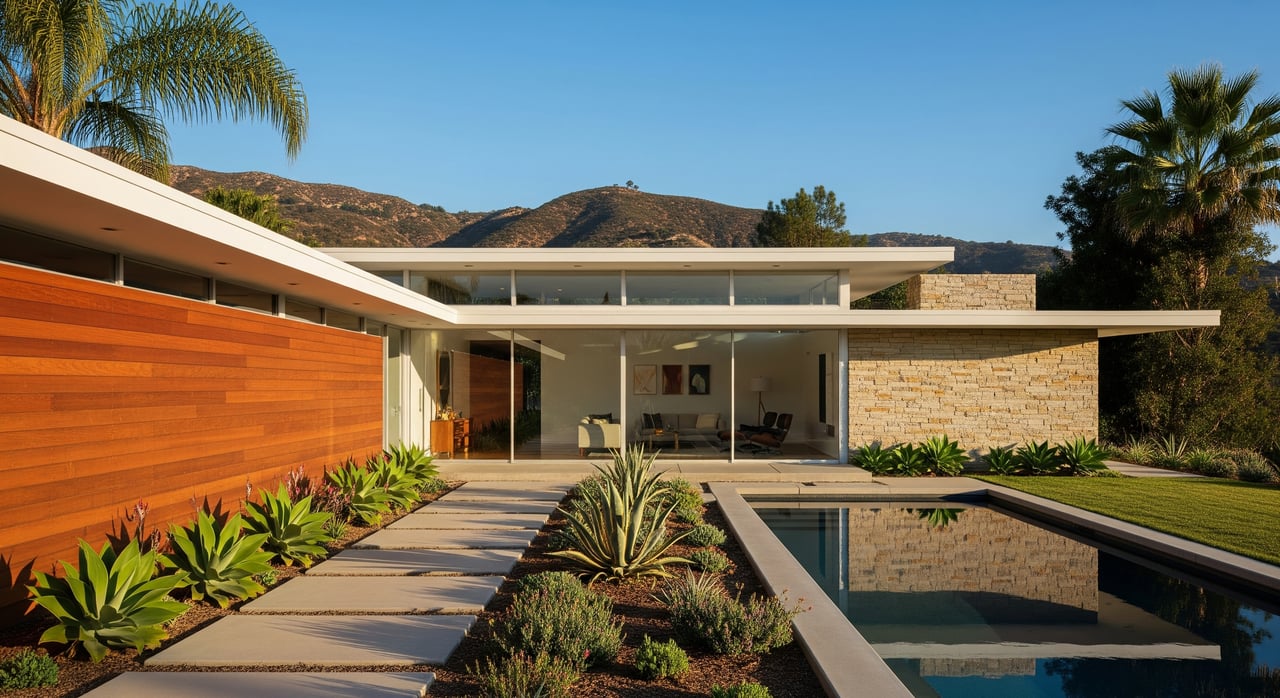
Love the clean lines, glassy walls, and easy flow of mid‑century design, but not sure how to evaluate one in Studio City? You are not alone. Buyers here often wrestle with balancing originality, performance, and hillside complexity. This guide shows you what to look for, what to inspect, how to navigate permits, and which upgrades keep the architecture intact while elevating daily living. Let’s dive in.
Studio City mid‑century at a glance
Studio City sits where the San Fernando Valley meets the Santa Monica Mountains. The flats near and around Ventura Boulevard offer smaller parcels and a mix of ranch and mid‑century tract homes. The foothills toward Coldwater and Laurel Canyon bring steeper lots, custom mid‑century modern houses, and big indoor‑outdoor moments with views.
If you love open plans, simple lines, and strong connection to the landscape, you will find compelling options in both sub‑areas. The flats often deliver convenience and simpler permitting. The hillsides deliver drama and privacy but introduce geotechnical, drainage, and structural considerations that deserve early attention.
Character features buyers prize
Knowing the language of mid‑century design will help you spot value and avoid costly missteps.
Architecture and planning
- Open plan living with a natural flow between kitchen, dining, and living spaces.
- Indoor‑outdoor connection through sliding glass doors, patios, and terraces.
- Post‑and‑beam expression and exposed structure in many custom homes.
- Split‑level layouts and low, horizontal massing typical of ranch and MCM houses.
- Floor‑to‑ceiling or clerestory glazing in modernist examples, with more compact windows in ranch types.
Rooflines and exterior
- Low‑pitched or flat roofs with wide overhangs that shade glass and define the profile.
- Clean, geometric volumes and carports that reflect period ideals.
- Natural materials like tongue‑and‑groove wood siding, board‑and‑batten, stone, and concrete block.
- Terracing, retaining walls, and stepped forms that integrate hillside sites.
Interiors and finishes
- Terrazzo, narrow‑plank oak, or concrete floors.
- Built‑ins such as credenzas, bookcases, and window seats.
- Minimal ornament, simple trims or reveals, and modernist hardware profiles.
- Fireplaces as focal points, often low and wide with raised hearths.
- Compact original kitchens with flat‑panel cabinetry and laminate or simple stone.
Landscape and site
- Patios, decks, and outdoor living rooms that extend the interior plan.
- Drought‑tolerant or native plant palettes in many updated properties.
- Visible drainage strategies and retaining walls on hillside parcels.
If you are new to the style, explore the Los Angeles Conservancy’s mid‑century modern overview for useful context on character‑defining elements.
Inspection priorities and common condition issues
Mid‑century stock ranges from carefully preserved to heavily altered. A focused inspection strategy protects your budget and the architecture.
Building systems and materials
- Electrical: older service capacity and outdated panels are common. Some fixtures may rely on vintage wiring.
- Plumbing: galvanized supply and cast‑iron drains can near end‑of‑life and often require replacement.
- HVAC and insulation: original single‑pane glazing, limited insulation, and undersized systems can drive inefficiency.
- Hazardous materials: pre‑1978 paint may include lead. Asbestos can be present in mastic, roofing, transite, or duct wrap. Test before you disturb finishes.
- Termite and moisture: exposed wood, low overhangs, and decks deserve close review.
Structure, site, and hillside
- Slab cracks or settlement in older foundations.
- Hillside performance: check for slope stability, drainage paths, retaining wall design, and any past cut‑and‑fill work.
- Geotechnical evaluation is critical on hillside sites, both for purchase due diligence and future design feasibility.
Unpermitted work
- Garage conversions, ad‑hoc additions, and informal remodels are common across Los Angeles. These can complicate financing and appraisals.
- Original details sometimes get covered or removed. Document what remains and what can be restored.
Plan for a full home inspection, sewer scope, termite report, and specialty evaluations where conditions warrant. For hillside homes, add structural and geotechnical consultants early in your process.
Permits and rules to know in Los Angeles
Your renovation scope and lot location will shape timing and complexity. Start with a clear view of the regulatory landscape.
- Building permits and grading: The City of Los Angeles oversees permits, inspections, and hillside grading. Review the LADBS permitting guidelines early to map requirements and timelines.
- Hillside and overlays: Many foothill parcels sit within hillside regulations or scenic corridors. Check the City Planning overlays and hillside resources for site‑specific rules and any design review triggers.
- ADUs: State policy generally supports accessory dwelling units, which can add flexibility or guest space. Confirm setbacks, access, and grading on your lot using the California HCD’s ADU guidance.
- Historic context: Some neighborhoods may involve conservation or review. The Los Angeles Conservancy offers education on style, and City Planning can confirm overlay status.
For smooth execution, align your architect, contractor, and consultants with the permit strategy before you finalize scope.
Renovate without losing the look
The best Studio City remodels update performance and comfort while keeping the mid‑century soul. Use proven preservation principles to guide decisions.
- Respect original massing and lines so the form still reads as mid‑century. The Secretary of the Interior’s Standards offer useful guidance for balancing new work and historic character.
- Preserve large sliding doors and key window groupings. When upgrading, choose glazing that maintains sightlines while improving thermal performance.
- Refinish hardwood and repair terrazzo when possible. If replacing floors, consider period‑appropriate materials or polished concrete for continuity.
- Kitchens: open walls thoughtfully to reinforce flow. Pair professional‑grade appliances with flat‑panel wood cabinetry, simple pulls, and restrained stone.
- Bathrooms: keep clean lines and horizontal emphasis. Upgrade plumbing, ventilation, and lighting while using a quiet material palette.
- Built‑ins: restore or replicate original profiles. Well‑executed millwork grounds the interior and adds storage.
- Mechanical systems: conceal ducting and wiring to protect exposed beams and ceiling planes. Mini‑splits can be effective where full ducting is intrusive.
- Landscape and site: revise patios, decks, and pools to align with original axes and view corridors. Coordinate drainage and hillside stabilization with your design team.
What luxury buyers expect today
Design‑minded buyers in Studio City often want authentic architecture paired with modern performance.
Spaces and flow
- Seamless indoor‑outdoor living with large sliding or retractable walls.
- Flexible entertaining areas tied to the kitchen, dining, and patio.
- A private primary suite with spa‑style bath and outdoor access.
- Dedicated office or flexible room with built‑in storage.
- Guest suite or ADU that adds privacy and utility.
Materials, tech, and performance
- Warm woods like walnut or oak, honed stone, terrazzo accents, and matte metals.
- Professional‑grade appliances integrated cleanly into the cabinetry.
- Discreet smart home systems for lighting, climate, security, and audio.
- Energy upgrades such as improved insulation, high‑performance windows, solar readiness, and EV charging.
Tradeoffs to consider
- Original glass can be beautiful but inefficient. Retrofitting within existing frames or selecting slender‑profile replacements can strike a balance.
- Built‑ins add character yet limit layout changes. Decide early how much flexibility you need.
- Hillside homes deliver views and privacy, but budgets should account for engineering, drainage, and longer permit paths.
- Unpermitted work can affect timelines. Build in contingencies for regularization or targeted remediation.
Buyer checklist for showings and due diligence
Use this quick list to stay organized from first tour to escrow.
On‑site visual cues
- Are original windows, sliders, built‑ins, fireplace massing, and rooflines intact?
- Do you see signs of drainage issues, staining, or patched ceilings?
- What is the condition of decks, carports, retaining walls, and exposed foundations?
- Any visible evidence suggesting hazardous materials or pest damage?
Documents to request
- Seller disclosures and full permit history, including pools, decks, grading, and major system upgrades.
- Recent termite report and related repair invoices.
- Any structural or geotechnical reports for hillside lots.
- Service records for utilities, HVAC, and documented renovations.
- Confirmation of neighborhood overlays, hillside status, or design review requirements.
Specialist inspections
- General home inspection and termite report.
- Sewer scope, especially in older plumbing systems.
- Electrical assessment and service capacity check.
- Structural and geotechnical evaluations for hillside properties.
- Lead and asbestos testing if you plan to disturb suspect materials.
How to move forward with confidence
The right Studio City mid‑century home offers timeless architecture and a lifestyle that blurs indoors with out. When you understand the character features, the likely condition issues, and the permit path, you can move decisively and protect your investment. Secure a team early and align your scope with both performance goals and the home’s original design intent.
If you want a curated search, discreet showings, and guidance from first tour to final walk‑through, connect with Michael LaMontagna. Request a confidential consultation and get a tailored plan for identifying, evaluating, and securing the right Studio City mid‑century home.
FAQs
What defines a mid‑century home in Studio City?
- Look for open plans, strong indoor‑outdoor flow, low rooflines with wide overhangs, period built‑ins, and materials like wood siding, stone, and concrete block.
How do Los Angeles hillside rules affect renovations?
- Hillside lots often require geotechnical studies and grading permits, and some parcels fall under overlays that shape massing and design reviewed through City Planning and LADBS.
Are ADUs realistic on mid‑century lots in Studio City?
- Many are feasible under state policy, but setbacks, access, and grading constraints vary by site, so confirm details using LADBS and the state’s ADU guidance before you design.
Which inspections are essential for hillside mid‑century purchases?
- In addition to a general inspection, order structural and geotechnical evaluations, a sewer scope, an electrical capacity check, and a termite report.
How can you improve energy efficiency without losing original glass?
- Retrofit strategies include adding thermal panes within existing frames or replacing units with slender‑profile windows that preserve sightlines while boosting performance.
What risks come with unpermitted additions or garage conversions?
- They can impact financing and appraisal, trigger required corrections during escrow, and extend timelines, so plan for regularization or targeted remediation in your budget.