Are you torn between a rare lakefront estate and a charming Village‑area home in Toluca Lake? If you are new to the neighborhood, it can feel like you are choosing between two excellent lifestyles with very different day‑to‑day rhythms. This quick guide breaks down privacy, lot patterns, architecture, pricing behavior, ownership rules, and key due diligence steps so you can move forward with clarity. Let’s dive in.
Toluca Lake at a glance
Toluca Lake is a compact, mature enclave at the Studio City and Burbank edge, centered on a small, privately managed lake. You have quick access to Ventura Boulevard, the 101, and major studio districts, which makes the area attractive to entertainment professionals. The neighborhood blends historic homes with modern rebuilds, and inventory tends to be tight with low turnover. True lakefront is the signature amenity and helps set the top of the local market.
Lakefront vs Village: lifestyle fit
Lakefront lifestyle
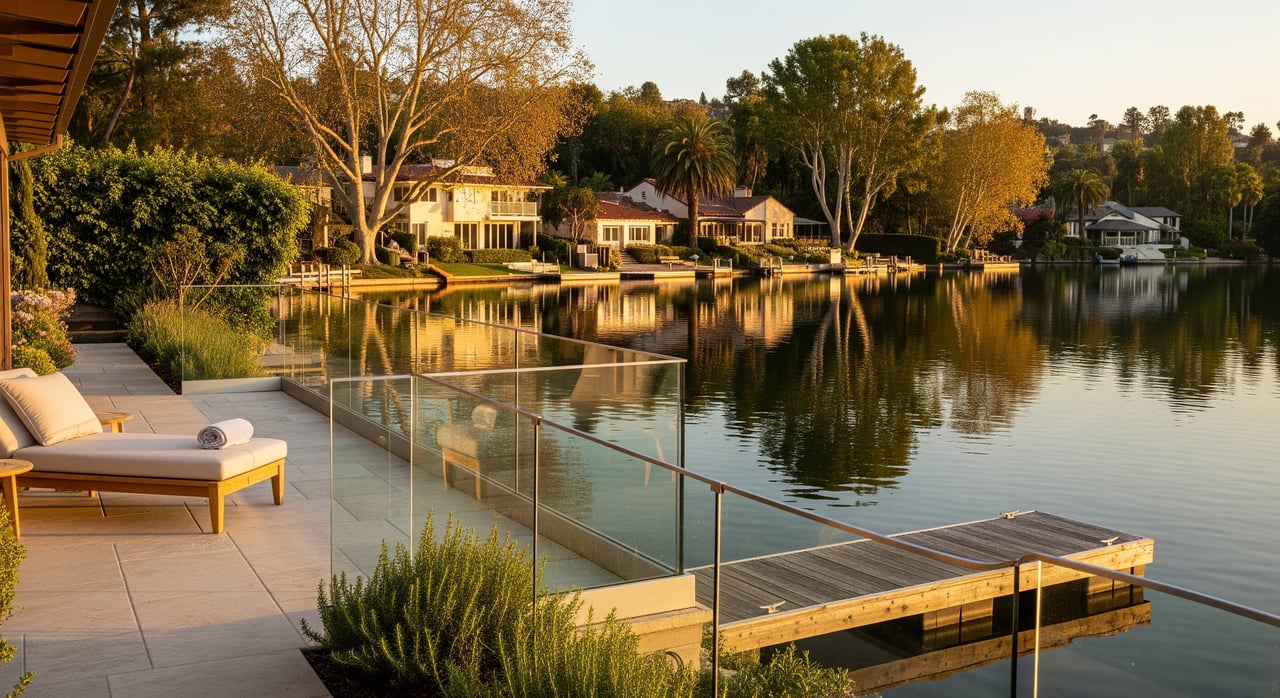
Lakefront homes center life on the water. Outdoor rooms, lawns, and terraces often orient to lake views rather than the street, creating a sense of retreat. Access to the lake is historically limited to local residents and their guests, which supports a quieter, more private experience. Buyers are often drawn to the waterfront lifestyle, entertaining potential, and the prestige of a lake address.
Village lifestyle
Village‑area streets off Ventura Boulevard feel more connected to neighborhood life. You get walkable access to shops and restaurants and more day‑to‑day visibility with neighbors and passersby. Frontages are street‑oriented, which adds energy and convenience. Buyers here tend to value walkability, neighborhood character, and broader inventory at price points that are generally lower than true lakefront.
Lots and outdoor space
Lakefront lots
Shoreline frontage and sightlines drive value on the lake. Parcels can be irregular or elongated to maximize exposure to the water, and outdoor spaces are often designed for entertaining with patios, decks, and sometimes dock or boathouse‑style elements. You should review title and association documents for any shoreline easements, maintenance obligations, or approvals tied to landscaping, seawalls, or retaining walls. Expect specialized maintenance considerations for lake‑edge structures and drainage.
Village lots
Village homes typically sit on more conventional urban or suburban parcels with rectangular shapes, defined front and rear yards, and driveways or garages. Yards are often tailored to private gardens, play space, or outdoor dining rather than formal lakeside terraces. Street parking and access to the commercial corridor can be easier, which supports daily convenience.
Architecture and design
Across Toluca Lake, you will find notable architectural variety. Many homes date from the 1920s to 1940s, including Spanish Colonial Revival, Mediterranean, English cottage, and Craftsman styles. Mid‑century ranch and modern forms appear from the 1950s to 1970s, followed by widespread remodels and full rebuilds. On the lake, you will more often see custom estates and high‑scale renovations, while Village streets retain a larger share of intact period cottages and bungalows alongside modernized homes. Interiors frequently blend historic shells with contemporary floor plans, expanded kitchens, and added second stories, so “era” and interior finish may not align.
Pricing and market behavior
Lakefront is a niche, premium subset with very limited supply. Individual lakefront sales often set benchmarks for the neighborhood and can command a meaningful premium over off‑water comparables, especially for true frontage, expansive views, or exceptional outdoor living. Village‑area homes are more numerous, which creates a broader range of price points and product.
Luxury micro‑markets move in cycles, and small sample sizes can skew monthly averages. For decisions, focus on recent comparable sales, days on market, and sale‑to‑list ratios for both lakefront and Village addresses over rolling quarters, not single months. Confirm pricing and trends with current MLS data and local brokerage reports before committing to numbers, since market conditions and inventory can change quickly.
Ownership, rules, and costs
HOA or property owners association
The lake has historically been associated with a property owners group that manages access, events, and shoreline standards. Request the governing documents to understand dues, guest rules, boat restrictions, parking, and exterior modification approvals. Review meeting minutes and budgets for insight into reserves and any upcoming assessments.
Permitting and maintenance
Shoreline work, retaining walls, docks, and similar structures typically require additional permits and specialized contractors. Plan for periodic inspections and upkeep, including landscape, drainage, and any seawall components. Village properties usually follow standard city permitting, but always confirm permit history for remodels and additions.
Insurance and risk
Waterfront exposure can affect insurance requirements and costs, even on a small inland lake. Verify flood risk mapping, carrier availability, and any endorsements needed for shoreline structures. For Village homes, complete the same diligence on drainage and site conditions, since mature landscaping and older infrastructure can influence risk.
Rental and use restrictions
Privacy and association rules may limit short‑term rentals, events, or commercial uses near the lake. Review CC&Rs and city rules before planning guest stays or filming activity. Village properties can also face restrictions based on zoning and neighborhood regulations, so check both city codes and any recorded covenants.
Buyer due diligence checklist
Use this quick list to protect your purchase and future resale value:
- Title and easements
- Confirm any shoreline or utility easements, public rights‑of‑way, and recorded covenants tied to lake use or assessments.
- HOA or POA documents
- Obtain CC&Rs, bylaws, budgets, reserve studies, recent minutes, and any special assessments; note guest access and parking rules.
- Structural and site inspections
- Inspect foundations, retaining walls, shoreline structures, drainage, and surface water flow; evaluate mature trees and landscape health.
- Environmental and insurance
- Determine flood zone status and insurance availability; review any environmental reports related to shoreline modifications.
- Permits and remodel history
- Verify that additions and major remodels have permits and finaled inspections; cross‑check with city records.
- Noise and activity
- Assess proximity to Ventura Boulevard, studio commute paths, and commercial corridors; visit at different times of day.
- Privacy and security
- Review fencing, sightlines, lighting, and security systems; consider smart‑home features for monitoring and control.
- Resale considerations
- Weigh the scarcity of true lakefront comparables and the broader buyer pool for Village homes; understand how this can affect liquidity and pricing.
Which one is right for you?
Choose lakefront if you prioritize a waterfront lifestyle, private entertaining space, and the cachet of a prestigious address with limited supply. The setting can feel serene and secluded, with architecture and outdoor areas tailored to views. Confirm governance rules and shoreline upkeep so the experience aligns with your plans.
Choose Village‑area if you value walkability, neighborhood interaction, and day‑to‑day convenience near Ventura Boulevard. You will find more options across lot sizes and styles, often at a lower price point than true lakefront for comparable size and finish. Focus on remodel quality, street context, and any privacy upgrades.
Both choices deliver a distinctive Toluca Lake experience. If you want a private, high‑touch search that balances off‑market opportunities with the best of the open market, connect with a trusted local advisor who can validate pricing, governance, and property condition before you write an offer. Request a confidential consultation with Michael LaMontagna to tour targeted options and move with confidence.
FAQs
What defines a true lakefront property in Toluca Lake?
- A property with direct shoreline frontage or unobstructed lake views oriented to the water, often with outdoor living tailored to the lake and subject to association rules.
How do HOA or property owners rules affect lake use?
- They can govern access, boat use, events, guest policies, parking, and exterior changes; review CC&Rs, bylaws, budgets, and minutes before closing.
Are price premiums consistent for lakefront homes?
- Premiums are common but vary by frontage, views, lot geometry, and condition; rely on recent MLS comps and rolling‑quarter metrics due to small sample sizes.
Do lakefront homes require special permits for shoreline work?
- Yes, shoreline structures like docks, seawalls, and retaining walls often need additional permits and specialized contractors; verify any past work was properly permitted.
Is flood insurance typically required for Toluca Lake homes?
- Requirements depend on site‑specific risk and carrier guidelines; confirm flood zone mapping and insurance availability for both lakefront and Village properties.
What are the main lifestyle differences between Village and lakefront areas?
- Lakefront emphasizes privacy, views, and water‑oriented living, while Village focuses on walkability, street life, and convenient access to Ventura Boulevard.
How should I verify lot size and parcel details?
- Cross‑check MLS data with official parcel records and review title for easements; confirm any irregular lakefront geometry and its impact on use and maintenance.