Is a lock-and-leave, full-service lifestyle in Westwood calling your name? If you are weighing a high-rise along the Wilshire Corridor, you likely want convenience, security, and strong long-term value. The details matter in this market, from view corridors and parking to HOA reserves and staffing. This guide gives you a clear picture of what to watch, the right questions to ask, and how to buy with confidence. Let’s dive in.
Why Westwood high-rise living
Westwood places you near UCLA, major medical centers, and the Westside’s business hubs. You have quick access to I‑405 and I‑10, plus cultural options across Century City, Beverly Hills, and West LA. The Wilshire Corridor concentrates many of the area’s most established towers and luxury condominiums.
Buyers here often include executives who value services and security, downsizers looking for single-level living with concierge support, and investors who track HOA rental policies. Because this is a condo market, financing and inventory shifts can influence pricing and time on market. The smartest plays are grounded in building-by-building due diligence.
What drives value in Westwood towers
Amenities that matter
Full-service staffing carries real weight. A 24/7 concierge, doorman, on-site management, and monitored access increase convenience and perceived security. These features often show up in higher HOA dues and in resale value.
Facilities such as a pool and deck, fitness center, spa or steam rooms, resident lounge, business or meeting rooms, and private dining or guest suites can set a tower apart. More amenities generally mean higher monthly dues, but they also attract owner-occupants who want a complete lifestyle.
Parking is central. Dedicated covered or deeded spaces, strong guest parking options, and EV charging are premium. Buildings with valet provide ease, while secured self-park garages reduce staffing costs.
Interior features that stand out
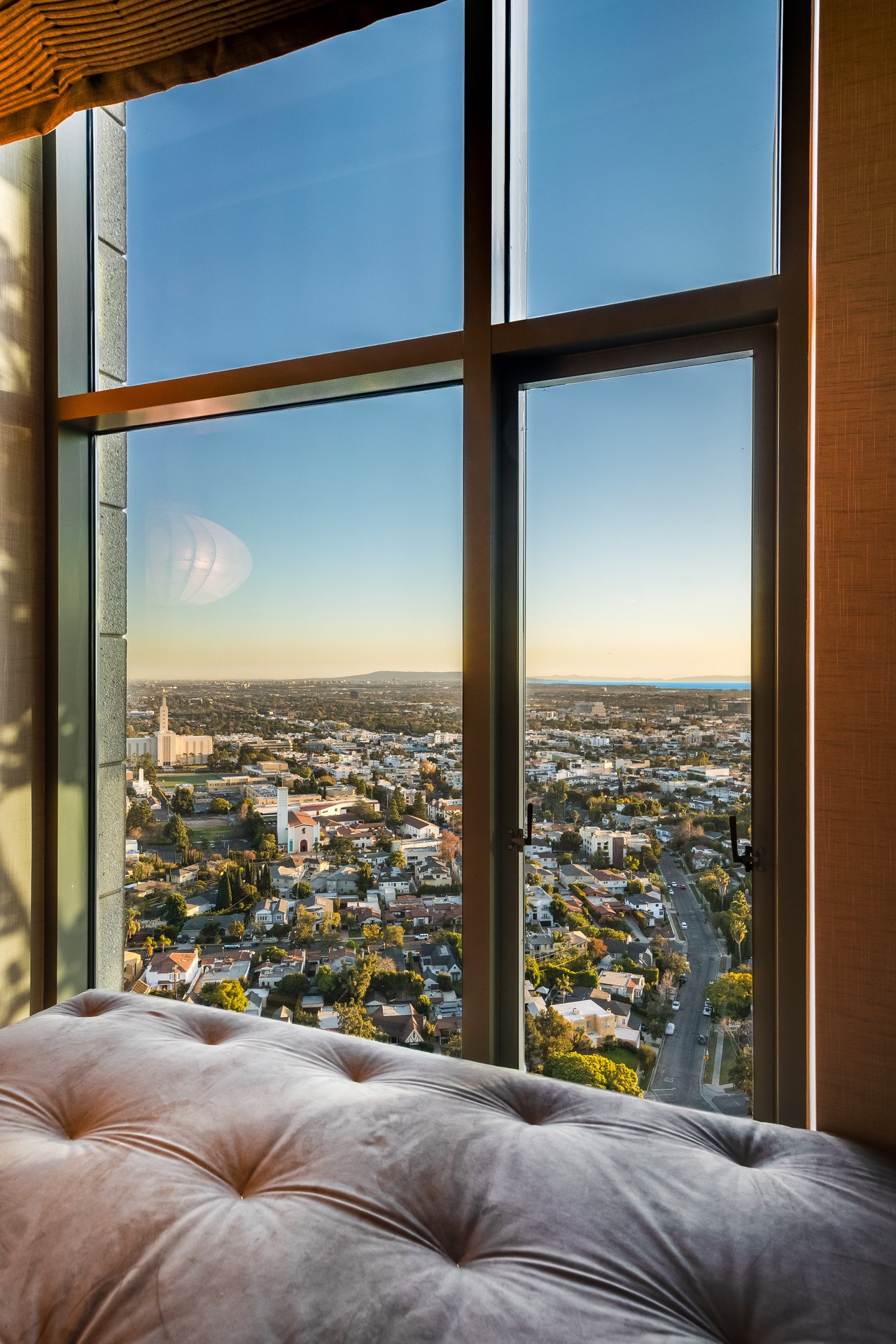
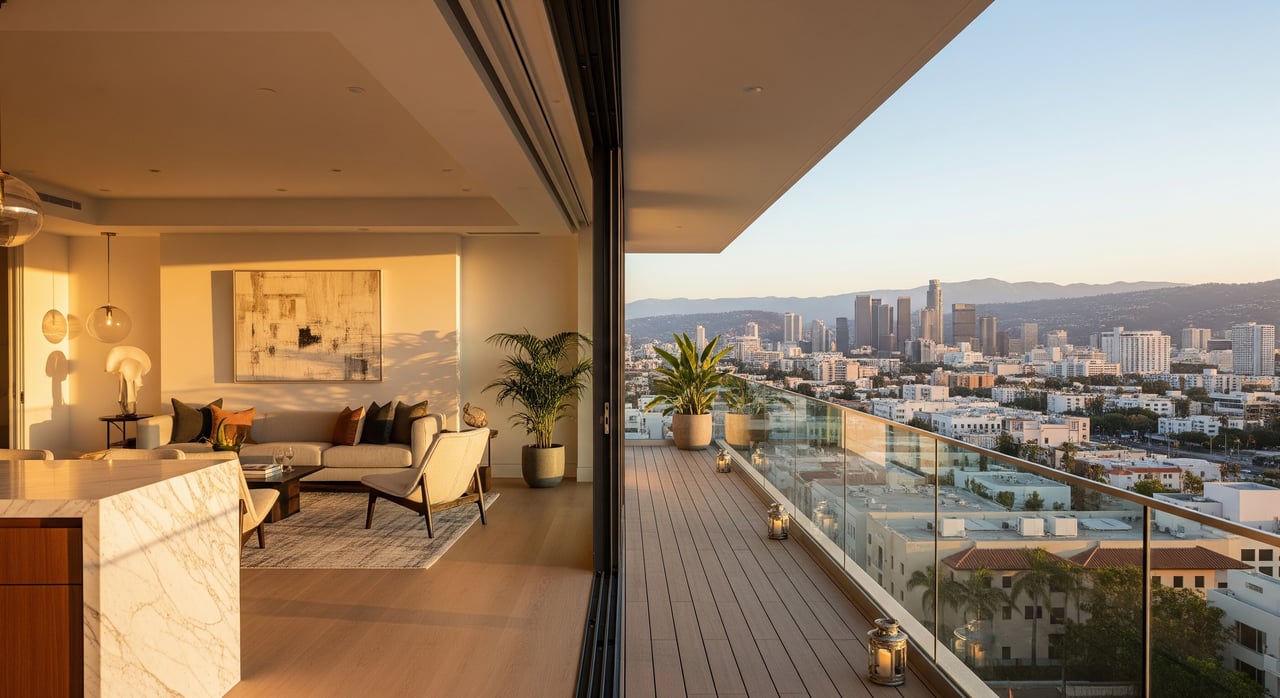
Ceiling height and floor height matter. Higher floors above neighboring rooflines feel brighter and more private. Floor-to-ceiling glazing and wide sightlines increase the sense of volume and bring the city, ocean, or mountains into your living space.
Private outdoor space is a true differentiator. Terraces and balconies on higher floors often command a premium relative to interior square footage. Extra storage lockers and private elevators add scarcity and can boost value.
Parking and storage priorities
Confirm the number and type of parking spaces: deeded versus assigned, tandem, or mechanical stacking systems. Some buyers prefer traditional spaces over mechanical solutions. Ask about separate storage rooms or lockers, plus bike or motorcycle parking.
Views and exposures in the Corridor
Orientation shapes your daily experience and long-term value. Here is a quick guide to common exposures in Westwood and along Wilshire:
- West or west-northwest: potential Santa Monica Bay or sunset views from higher floors, though marine layer can soften visibility at times.
- South or southeast: broader Los Angeles basin views with possible downtown skyline from higher elevations.
- North or northeast: Santa Monica Mountains or Hollywood Hills in some sightlines.
- East: Century City and mid‑Wilshire views, with possible street noise depending on location and height.
View quality depends on each building’s position, nearby towers, and topography. A valuable view today can be impacted by new development. Always confirm local zoning and any planned projects before you rely on a view premium.
HOA structure and dues basics
Davis‑Stirling protections
Condominiums in California operate under the Davis‑Stirling Common Interest Development Act. You are entitled to key documents at or before close of escrow, including governing documents, budgets, reserve studies, and recent meeting minutes. Review the CC&Rs, bylaws, house rules, and financials to understand costs, restrictions, and upcoming projects.
Budget line items to review
Personnel is often the largest recurring cost. Concierge, valet attendants, building engineers, janitorial teams, landscape crews, and security staff drive dues. Utilities covered by the HOA, such as common area electricity, water, heating or hot water, and internet for common spaces, also affect monthly assessments.
Insurance is a major line item. The HOA’s master policy covers the building and common areas, while you carry an HO‑6 policy for interior finishes, personal property, liability, and loss assessment. Clarify coverage limits and where the HOA’s responsibilities end and yours begin.
Reserves, assessments, and seismic
Reserves fund future capital work. In older towers, elevators, HVAC, parking structures, pools, and exterior facades will reach replacement cycles. A recent reserve study is essential to gauge near-term needs and the likelihood of special assessments.
Los Angeles is a seismic region. Ask whether the building has been evaluated for seismic upgrades, if any are planned, and how they would be funded. Board minutes and engineering reports can provide helpful context.
Operations to confirm
Valet and parking models
Many Wilshire Corridor towers operate valet parking included in dues or as a separate fee. Others offer secured self-park garages. Valet maximizes ease but increases staffing costs, which can raise HOA dues. Guest parking policies vary, with time limits, validation systems, or registration common. For EVs, clarify installation rules, metering, and whether charging is billed individually or allocated through the HOA.
Concierge and package handling
Concierge services often include package receipt, amenity reservations, basic security screening, and vendor coordination. Confirm hours, whether staffing is true 24/7, and how video monitoring supports the team. With frequent deliveries, a secure package room or lockers add real convenience.
Delivery and elevator logistics
Large moves depend on service elevators and scheduling. Ask about the size and availability of freight elevators, move-in time windows, and any fees or deposits. Understanding these logistics up front reduces move-in friction.
Financing, insurance, and rentals
Lender project approval
Not all condo projects qualify for all loan programs. FHA, VA, and some conventional lenders require project-level approval. High investor ratios, ongoing litigation, inadequate reserves, or sizable commercial components can limit options. If you plan to use specialized financing, verify project eligibility early or consider conventional conforming jumbo or portfolio loans.
Insurance coverage and gaps
The HOA’s master policy typically covers building exteriors and common areas. Your HO‑6 policy should cover interior improvements, personal property, liability, and loss assessment protection tied to property damage events. For higher-value residences, confirm replacement cost levels and that the HOA carries appropriate fidelity bond coverage.
Rental rules and occupancy
Most associations restrict short-term rentals and may cap the total share of units that can be leased. These rules influence investor demand and can affect financing eligibility. Confirm minimum lease terms, whether leases need board approval, and the current owner-occupancy percentage before you buy.
Practical due‑diligence checklist
Collect and review these items early in escrow:
- CC&Rs, bylaws, rules and regulations
- Current HOA budget, balance sheet, income statement
- Most recent reserve study and date performed
- Board meeting minutes for the last 12–24 months
- Insurance declarations for the master policy and fidelity bond
- List of all current and planned assessments
- Litigation and claims history, open and recently closed
- Owner‑occupancy percentage, rental ratio, total unit count
- Service contracts for elevators, security, landscaping, and warranties
- Engineering reports, structural or seismic assessments, and any retrofit plans
- Certificate of occupancy or compliance where applicable
Bring this short list of questions to the HOA, management, or seller:
- What utilities and services are included in HOA dues?
- What is the current monthly assessment and when was it last increased? Any planned changes?
- What is the reserve fund balance and when was the last reserve study?
- Is there any pending litigation or anticipated special assessment?
- What is the current rental policy and owner‑occupancy percentage?
- Are capital projects planned, such as elevator modernization, facade work, or seismic upgrades? How will they be funded?
- What are valet and concierge hours, and which services are staffed 24/7?
- What are the unit’s exact sightlines, and are any nearby developments planned that could affect views?
- How are packages handled? Is on-site storage available?
- What are parking rules, EV charging availability, and guest parking policies?
Red flags to watch
- Low reserves relative to building age and known capital needs
- Ongoing or sizable litigation without a clear funding plan
- Frequent special assessments or rapid management turnover
- High rental ratios that could limit financing options
- Insurance gaps between master policy and owner responsibilities
Your buyer game plan
- Clarify your must-haves. Define priorities across services, views, outdoor space, parking, and storage.
- Shortlist buildings. Focus on towers whose amenities, staffing, and orientation match your lifestyle.
- Verify loan paths early. Confirm project approval if you need FHA or VA, or plan for conventional jumbo or portfolio lending.
- Write a clean offer. Include contingencies for HOA document review and lender project approval.
- Inspect and confirm logistics. Review elevators, parking, EV charging, package rooms, and move-in rules.
- Check insurance. Align your HO‑6 coverage with the HOA master policy and consider loss assessment protection.
- Plan for the future. Consider potential view changes, upcoming capital projects, and how dues may evolve.
When the details are aligned, Westwood’s high-rise living delivers a polished, low‑maintenance lifestyle close to everything. If you want a curated shortlist and a confident path from first tour to closing, reach out for private guidance. Connect with Michael LaMontagna for a discreet consultation and a tailored plan.
FAQs
What drives HOA dues in Westwood high-rises?
- Personnel costs for concierge, valet, engineering, janitorial, security, plus utilities, insurance, and reserve contributions are the main drivers.
How do view exposures affect condo value on the Corridor?
- Higher floors with unobstructed west, south, or mountain exposures often command premiums, but value depends on each building’s location and potential future development.
What should I know about seismic risk in older towers?
- Ask for recent engineering or seismic assessments, whether upgrades are planned, and how they will be funded through reserves or assessments.
How do rental restrictions impact investors in Westwood?
- Many HOAs set minimum lease terms and cap the share of leased units, which can affect financing and rental flexibility, so confirm rules before you buy.
What financing challenges are common with LA high-rises?
- Some projects are ineligible for certain loans due to investor ratios, litigation, or reserves, so verify project approval early or use conventional jumbo or portfolio options.
Which documents should I review before removing contingencies?
- Governing documents, budgets, reserve study, insurance declarations, board minutes, litigation history, assessments, and any engineering or seismic reports.
How does valet parking typically work in Corridor buildings?
- Valet may be included in dues or billed separately, with guest parking governed by time limits or validation; confirm policies, costs, and EV charging options.