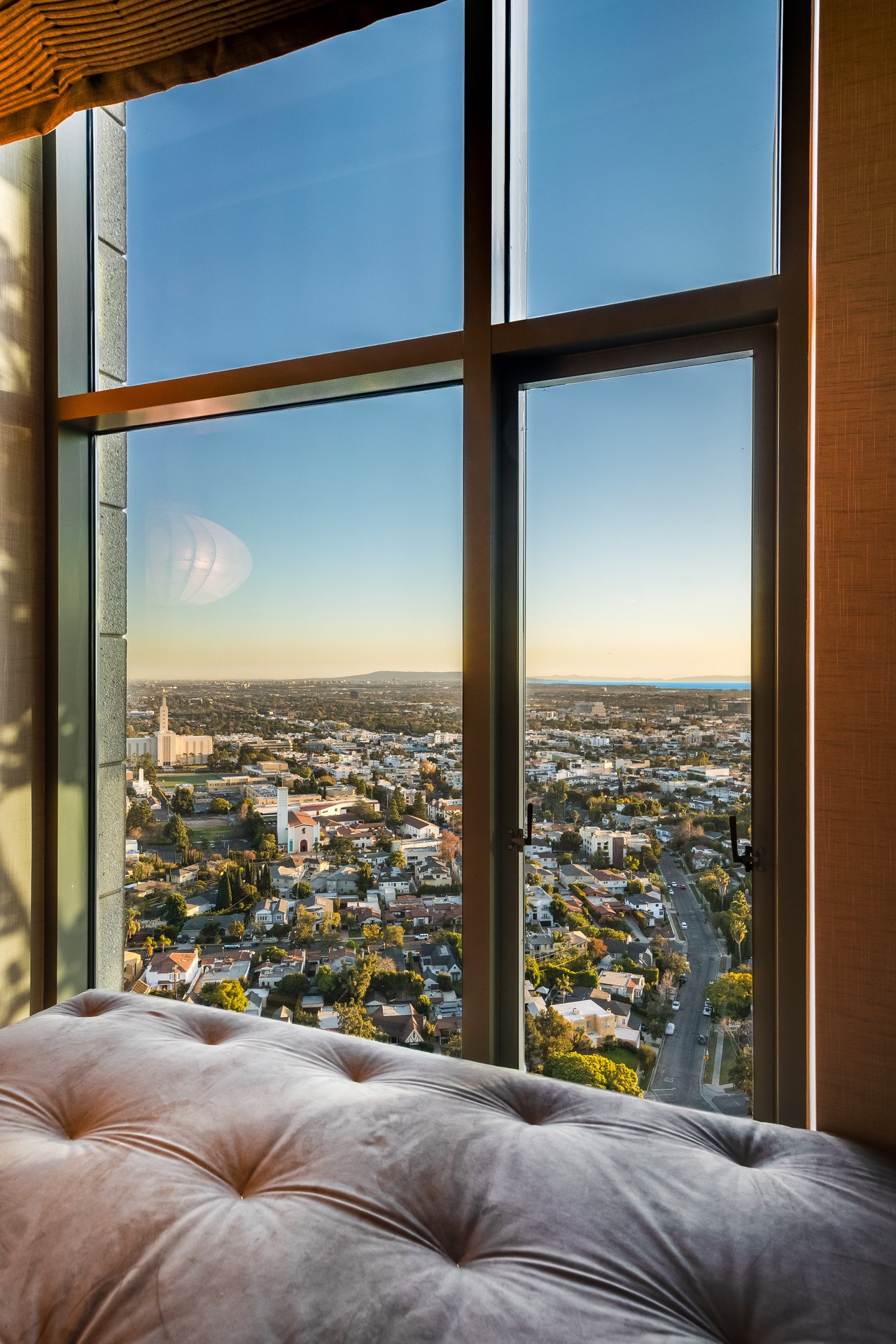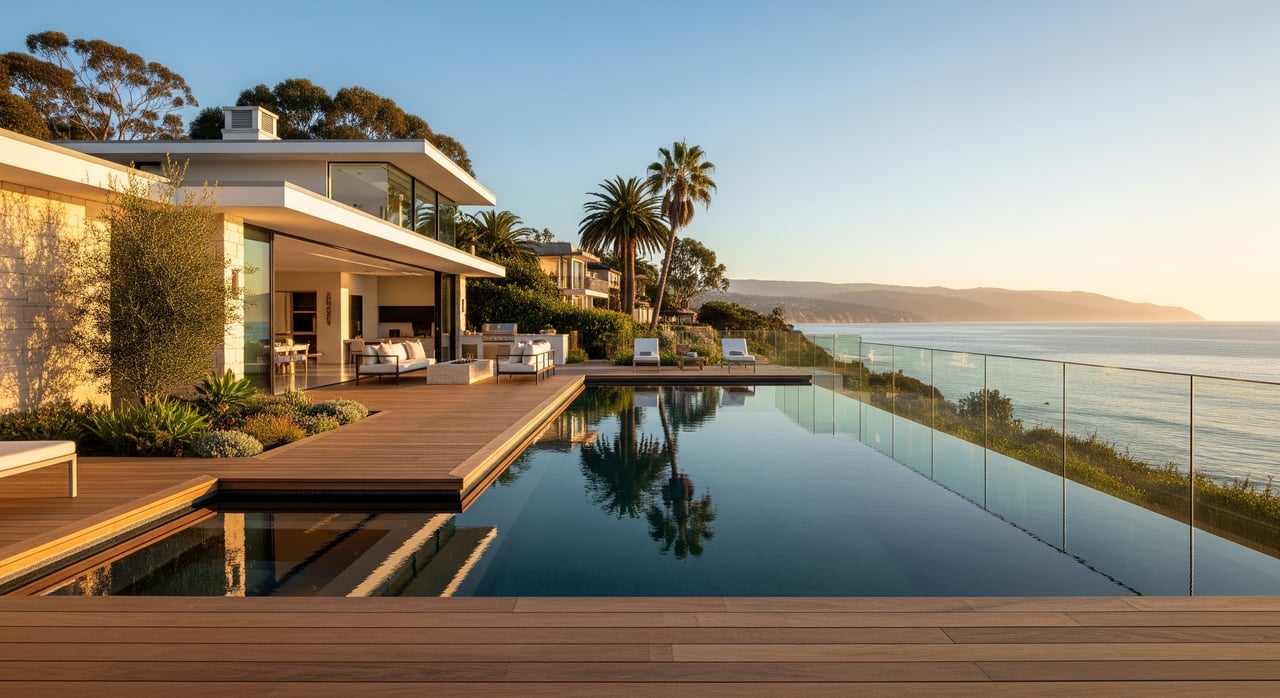
Thinking about a coastal move where morning hikes, ocean breezes, and a small-town vibe meet Los Angeles convenience? If Pacific Palisades is on your radar, you are not alone. Buyers come here for hillside views, beach access, and a calm neighborhood rhythm with a strong village core. In this guide, you will learn how the micro-areas differ, what daily life feels like, how transportation and schools work, and what to consider before you buy or sell. Let’s dive in.
Neighborhood snapshot
Pacific Palisades sits between Santa Monica and Malibu, tucked between the Santa Monica Mountains and the Pacific Ocean. It is part of the City of Los Angeles, and some coastal parcels fall under additional California Coastal Commission review and city planning oversight. Local civic groups are active, which helps shape community events and land-use conversations.
The neighborhood blends bluffside estates, hillside streets, and a compact downtown core known as the Village. The population is in the mid-20,000s, and household incomes are well above city averages. The result is a suburban-coastal feel with lots of single-family homes, larger lots than nearby urban pockets, and easy access to trails and beaches.
Micro-areas and what they feel like
Each pocket of the Palisades has a distinct personality. Here is how the main areas stack up so you can match them to your priorities.
The Village
This is the walkable center of the Palisades. You will find cafés, restaurants, grocery options, fitness studios, the public library, and local services. Housing near the Village includes more condos and townhomes than other areas, which can offer lower entry points. If you like quick errands and community events, this is a strong fit.
The Riviera
North of Sunset Boulevard, the Riviera offers tree-lined streets and larger lots, often with Mediterranean or Spanish-style homes. Many properties are high-end and private. If you value space and a quieter streetscape while staying close to Westside job centers, the Riviera is compelling.
Castellammare, the Bluffs, and Paseo Miramar
Perched above the shoreline, these cliffside streets deliver some of the neighborhood’s most dramatic ocean views. Properties here can face geotechnical considerations and coastal permitting requirements. If view quality tops your wish list, this area is worth a close look along with a strong due diligence plan.
Marquez Knolls and Marquez Terrace
Southwest of the Village and closer to Will Rogers State Beach, these pockets mix mid-century and ranch homes with proximity to coastal access. Streets can offer canyon and ocean outlooks, and the location makes it simple to reach trails and the sand.
Palisades Highlands and Crest
Farther inland and uphill, the Highlands and related pockets have a more suburban feel. You will see cul-de-sacs, newer construction in some tracts, and larger homes. If you want breathing room and a quieter setting, these neighborhoods often deliver that balance.
Lower Palisades and the Sunset corridor
Closer to Sunset Boulevard, you will find a mix of single-family homes, duplexes, and smaller apartment buildings. This area can offer practical access to Santa Monica, Brentwood, and Century City by way of Sunset.
Home types and price context
You will see many single-family homes across the Palisades, spanning older mid-century and ranch styles to newer modern builds and grand Mediterranean estates. Condos and townhomes cluster near the Village and along some corridors.
Pricing varies by location, lot size, condition, and view. Here is a qualitative guide:
- Single-family homes range widely. Smaller or older homes can trade in the low to mid millions. Updated homes often land in the low to mid single-digit millions. Larger Riviera or cliffside estates can reach the high single digits or into the double digits.
- Condos and townhomes usually provide lower entry points, often from the high six figures into the low seven figures depending on size and proximity to the Village or bluffs.
Hillside topography, bluff protection, and design review all limit high-density development. That scarcity supports values, especially for move-in-ready homes in desirable pockets.
Daily life and local rhythm
Mornings often start with coffee in the Village, a dog walk along bluffside green space, or a quick trail hike. Weekdays revolve around errands and commutes to Westside job centers, while more residents now work remotely. Evenings and weekends lean outdoors: beach time, surfing, hiking the canyons, visiting the farmers market, or a relaxed dinner in town.
Community events play a big role. The Fourth of July parade and fireworks are longstanding traditions. Seasonal gatherings and neighborhood programming keep the small-town feel alive.
Beaches, trails, and open space
- Will Rogers State Beach sits at the neighborhood’s edge with easy access points along PCH.
- Temescal Gateway Park, Los Liones, Rustic Canyon, and Will Rogers State Historic Park create a network of canyon-to-ridge trails. Many paths connect into the larger Santa Monica Mountains system, including scenic overlooks like Parker Mesa.
- Bluffside green spaces deliver ocean vistas. Always respect cliff-safety signage and note that coastal erosion can affect access in some areas.
- The Getty Villa sits nearby and adds a cultural anchor on the northern edge of the Palisades.
Getting around and the commute picture
Sunset Boulevard and Pacific Coast Highway are your primary routes. The 405 is reachable within a short drive, but peak congestion is common. Typical drive times vary by time of day:
- Santa Monica and Century City can range from about 15 to 35 minutes.
- Downtown Los Angeles can range from about 35 to 60 minutes or more.
- LAX can range from about 30 to 45 minutes in normal conditions.
Public transit includes bus connections, but there is no direct rail service. Most residential pockets are car dependent for daily errands, with the Village as the main walkable hub.
Schools and education basics
The Palisades is served by LAUSD, including several local elementary and middle schools, and Palisades Charter High School is widely recognized locally. Some primary schools carry charter designations. Boundaries and enrollment policies can change, so confirm the latest assignment maps and admissions details directly with LAUSD and individual schools before making decisions.
Private and parochial options are available across the Westside. Many households review both public and private paths during their home search.
Safety, hazards, and insurance
Crime rates in the Palisades are generally lower than many parts of Los Angeles, though property crimes like burglaries and vehicle theft can occur. Review current LAPD maps for an up-to-date picture by block and time period.
Natural hazards are part of life in a coastal and mountain-adjacent area. Key considerations include bluff erosion, landslide risk on steep slopes, wildfire exposure in the Santa Monica Mountains, and seismic risk that is standard across California. Insurance for coastal or bluffside properties can be more complex. Flood, landslide, or fire risk may affect coverage options and mortgage conditions. If you are evaluating a bluff or hillside home, build time into your process for geotechnical reports and permitting history.
Buyer checklist: how to choose your pocket
Use this quick framework to match your priorities with the right area:
- Views vs. access. Cliffside pockets deliver big ocean views. Village-adjacent streets trade some view potential for walkability and convenience.
- Beach proximity vs. privacy. Marquez-area locations sit closer to the sand. Highlands and Crest areas tend to be quieter and more secluded.
- Lot size and layout. Riviera and some inland streets offer larger lots and estate potential. Village-adjacent zones may have smaller lots but better day-to-day access.
- Renovation appetite. Bluffs and hillside sites can trigger extra studies and coastal review. Factor in timeline, cost, and risk tolerance if you plan to rebuild or expand.
- School research. Confirm current boundaries and admissions policies for any home you are considering.
Seller playbook: positioning for top results
You want buyers to feel the Palisades lifestyle from the first impression. These steps help:
- Lead with setting. Spotlight view corridors, trail access, and proximity to the Village or beach in your visuals and copy.
- Prepare with purpose. Professional staging, landscaping, and high-resolution photography reveal space, flow, and indoor-outdoor living.
- Be proactive on disclosures. If your property is near the bluffs or on a slope, organize geotechnical documentation and past permits. Clarity builds buyer confidence.
- Tailor the launch. Consider a mix of confidential outreach and broad syndication, depending on the property’s profile and your privacy needs.
How it compares to nearby coastal enclaves
Santa Monica
Denser and more urban, with stronger transit connections and a higher share of condos and mixed-use properties. If you want a lively nightlife and broader condo choices, Santa Monica offers that. If you prefer a calmer streetscape and single-family homes on larger lots, the Palisades leans your way.
Venice
Creative and vibrant, Venice has a distinct street-level culture with notable retail corridors. If you are drawn to that energy and loft or bungalow options, Venice may fit. For a quieter rhythm with easy mountain trail access, the Palisades is a different experience.
Malibu
Malibu feels more rural and spread out, with direct beachfront parcels and very private estates. Services are more drive oriented. The Palisades is a middle ground that keeps a village core and quicker access to Westside job centers.
Brentwood
Comparable in affluence, Brentwood places you closer to central Westside hubs and has larger commercial corridors. The Palisades adds immediate access to beaches and mountain trails with a tighter-knit village center.
South Bay beach cities
Manhattan Beach and nearby towns offer cohesive beach-town living and a different commute pattern that favors South Bay employers and LAX proximity. The Palisades aligns more with Westside access and Santa Monica Mountains recreation.
Is Pacific Palisades right for you?
Choose the Palisades if you want ocean air, trailheads close to home, and a true neighborhood center, all within Los Angeles. Expect a strong single-family market with tight inventory and a focus on property condition, lot quality, and view orientation. If you need outright beachfront living, Malibu may suit you. If you want a busier, urban scene, Santa Monica or Venice can deliver that. If a quieter coastal enclave with outdoor living and a village core speaks to you, the Palisades is worth a close look.
If you are weighing which pocket fits your goals or how to prepare your home for market, connect with Michael LaMontagna for a confidential, strategy-first conversation tailored to your timeline and priorities.
FAQs
Pacific Palisades lifestyle: what is the overall vibe?
- It is a calm coastal neighborhood with a small-town village core, strong outdoor access, and a day-to-day rhythm centered on beachgoing, hiking, local errands, and community events.
Micro-areas in Pacific Palisades: how do I choose?
- Start with your top priority, such as walkability, views, beach access, lot size, or privacy, then focus on the Village, Riviera, Marquez pockets, Highlands, or bluffside streets that align with that goal.
Schools in Pacific Palisades: what should I know?
- The area is served by LAUSD, including Palisades Charter High School, and boundaries or policies can change, so verify current assignments and admissions with LAUSD and individual schools.
Commute from Pacific Palisades: what are typical drive times?
- Plan roughly 15 to 35 minutes to Santa Monica or Century City, 35 to 60 minutes or more to Downtown LA, and 30 to 45 minutes to LAX, depending on traffic and time of day.
Natural hazards in Pacific Palisades: what risks exist?
- Expect standard California seismic risk plus localized concerns like bluff erosion, landslides on steep slopes, and wildfire exposure in mountain-adjacent pockets, which can affect insurance.
Renovating in Pacific Palisades: what permits are common?
- Many hillside and bluff properties require geotechnical studies and may involve coastal review, along with local design considerations that can extend timelines and costs.
Comparing Pacific Palisades to Santa Monica and Malibu: what is different?
- Santa Monica is more urban and condo heavy, Malibu offers more isolated beachfront estates, and the Palisades blends single-family living, village convenience, and mountain-to-ocean access.