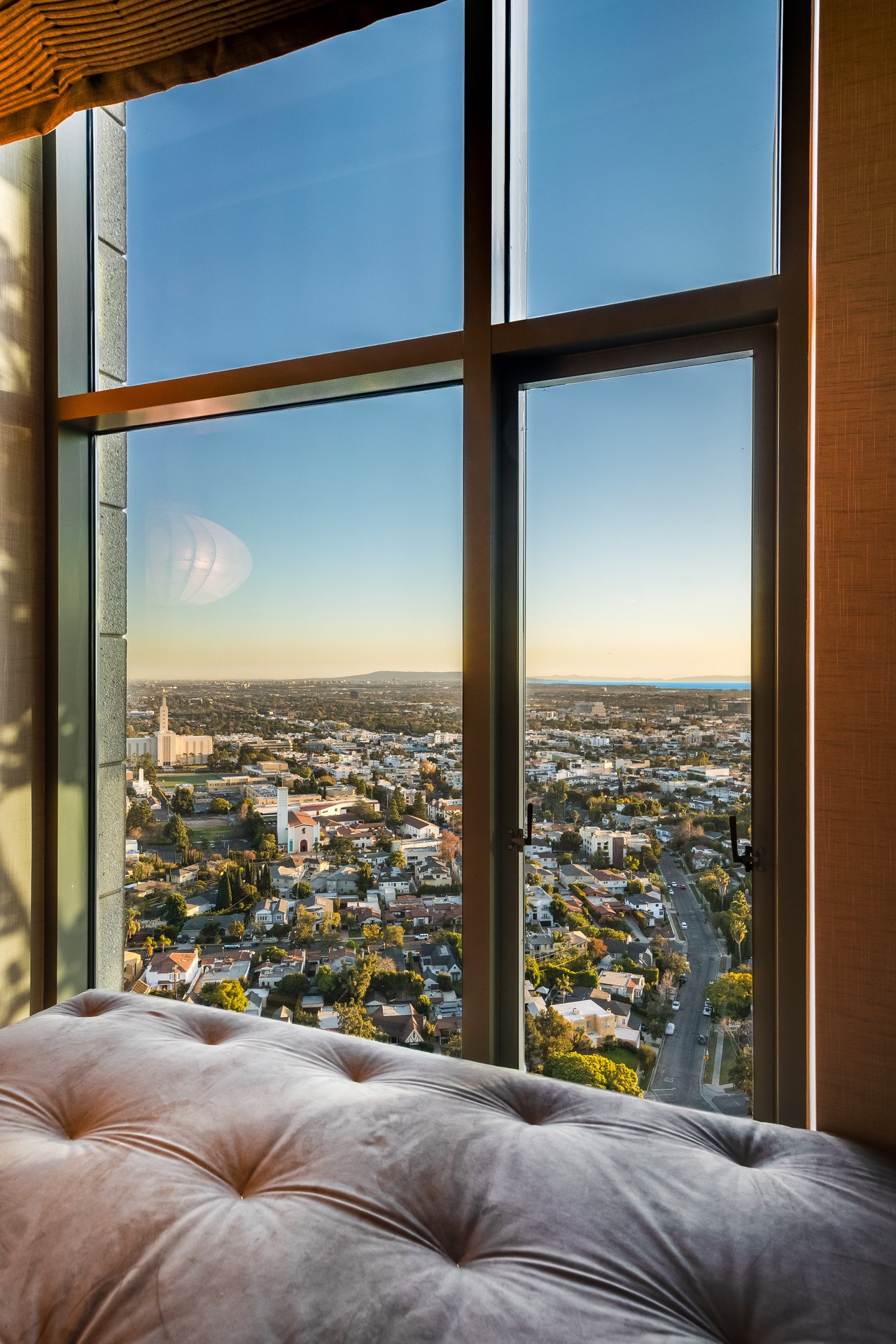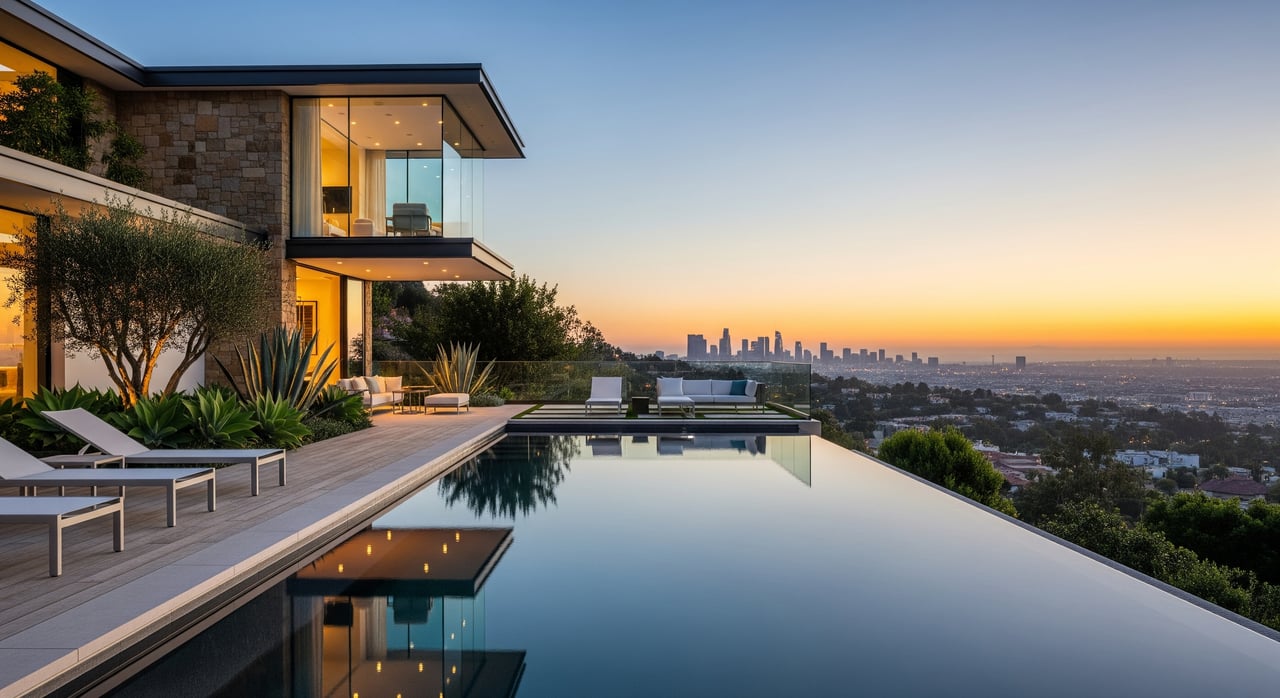
Is that Bel Air “view lot” truly special or just a nice outlook from one corner of the yard? If you are weighing a purchase, the right view can be the difference between a trophy home and an expensive compromise. You want clarity on what creates a real, lasting view, what can take it away, and how to design a home that captures it. Here is a clear guide to understanding Bel Air view lots, the rules that shape them, the costs to plan for, and the steps that protect your investment. Let’s dive in.
What a Bel Air view lot means
A view lot in Bel Air is a parcel where the buildable area can deliver unobstructed vistas from primary living spaces, terraces, or an owner’s suite. “Unobstructed” is relative. Seasonal foliage, neighbor rebuilds, and local rules can improve or limit your sightlines over time.
Common view types you will encounter:
- Canyon views: Dramatic depth into the Santa Monica Mountains and local canyons.
- Basin and skyline views: Wide panoramas across the Los Angeles Basin, including the city grid and downtown skyline, especially striking at night.
- Ocean views: Distant or partial Pacific views that depend on elevation and westward orientation.
- Mountain and ridgeline views: Vistas of nearby ridgelines and peaks.
- Micro-views: Framed looks into a garden, pool, creek, or rock outcrop, smaller in scale yet still valuable.
Serious buyers and investors separate “true” view lots from “partial” or “potential” ones. True view lots offer clear, usable views from the main living areas without requiring heavy grading or wishful assumptions about a neighbor’s future plans.
Physical factors that create a true view
Elevation and topography
Higher elevation and a forward-facing slope often produce longer, clearer sightlines. Where you place the building pad matters. A pad tucked back into the hill can lose the panorama, while a pad on a crest or forward face tends to preserve it.
Orientation and sunlight
Orientation shapes what you see and how you live. Southern and southwestern aspects more often capture the Basin and sunset. Western aspects can pick up ocean glimmers at the right height. Aspect also affects daylight and seasonal sun angles for glazing and terraces.
Pad size and usability
A view only counts if you can live in it. Very small or steep pads might offer a sliver of view from one window but not from the great room or terrace. In that case, you may need significant grading to create level, usable outdoor space.
Trees, neighbors, and context
Mature trees, privacy hedges, and nearby structures are common view-blockers. Some tree species are protected, which limits removal options. Two-story homes on upslope parcels can block sightlines now or in the future, so you should evaluate both existing conditions and redevelopment potential.
View permanence
A great current view is not always a permanent one. Your view’s staying power depends on protected trees, whether neighbors can build higher, and whether your lot or nearby ridgelines sit in protected corridors. A view can be more durable when surrounding constraints also limit how others can build.
Rules and permits that shape views
Bel Air sits within the City of Los Angeles, and hillside construction standards drive many design choices.
Zoning and hillside standards
Zoning sets use, height, and setbacks, and the Hillside Ordinance adds rules for steep lots. These standards can limit cut and fill, dictate slope stabilization, and reduce buildable area to manage geohazard and visual impacts. The result is a practical framework for where a pad can go and how large it can be.
Grading and retaining walls
Extensive grading and tall retaining walls require permits, engineering, and inspections. Hauling soil on and off site adds cost and time. Expect engineered solutions such as piles and retaining walls on steeper Bel Air sites.
Fire access and defensible space
Hillside homes must satisfy Fire Department access and turnaround requirements. Wildland-Urban Interface rules and brush clearance obligations apply to many Bel Air parcels. These measures can also affect landscaping choices that might otherwise block a view.
Easements and rights-of-way
Street improvements, utility easements, and rights-of-way can reduce usable area or shape how you orient the home toward the view. Recorded view easements or reciprocal agreements, if they exist, can be powerful tools to preserve a sightline, but they can also limit what you can change.
Tree protection and environmental review
Protected trees require permits for removal or significant pruning. Environmental review can be triggered by certain approvals or special overlays, which adds steps and time. Planning view corridors with native, low-growing species often balances view goals with compliance.
View rights are not automatic
California does not provide a statewide statutory right to a view. Legal protection typically comes from recorded easements, covenants, or private agreements. While disputes can involve nuisance claims, outcomes are fact specific, so documented protections carry the most weight.
Cost and risk checkpoints
Geotechnical and foundations
A site-specific geotechnical report is standard on hillside projects. Subsurface conditions can require deep foundations, caissons, slope stabilization, and specialized retaining walls. These are major cost drivers that also influence how high you can set living areas to clear a view.
Drainage and stormwater
Hillside homes must manage runoff, erosion, and Low Impact Development requirements. Proper drainage protects both the structure and the hillside, which also safeguards your view from slope movement and erosion-related issues.
Utilities and access
Bringing sewer, water, gas, and electric to a hillside pad can require off-site trenching or pump systems. Driveway grade limits, turnarounds, and frontage improvements can be significant factors on narrow or steep streets.
Timeline and approvals
If your plan exceeds ministerial thresholds, you may need discretionary approvals or hearings. This adds time and can affect carrying costs and schedules, especially when grading volumes, height requests, or retaining wall heights increase.
Market risk and resale
Views can command a premium, but not all views are equal. The type of view and its permanence matter. Loss of a view due to a neighbor’s rebuild, maturing canopy, or new infrastructure is a material resale risk that should be weighed up front.
Design moves that unlock views
Site and massing
- Place main living areas and outdoor terraces at the highest feasible point on the pad, oriented to the primary view.
- Step the home down the slope to reduce apparent mass and preserve upslope sightlines.
- Consider cantilevers or engineered slabs to widen the view aperture without overbuilding the slope.
Floor elevation and glazing
- Adjust finished floor elevations to clear foreground elements while respecting height limits and neighbor contexts.
- Use large-format glazing and narrow floor plates where energy rules allow, balancing solar gain, privacy, and performance.
Landscape and tree management
- Keep the view corridor clear with low-growing, layered, fire-hardy plantings.
- Confirm protected-tree rules before trimming or removal, and coordinate defensible space with your view plan.
Architectural devices
- Long terraces, frameless glass railings, glazed corners, and clerestories can expand the perceived view without adding bulk.
- Covered outdoor rooms extend daily use of the view and help stage the home for lifestyle appeal.
Legal and neighbor tools
- Explore recorded view easements or reciprocal maintenance agreements with neighbors.
- Consider agreements for ongoing tree trimming or mutual sightline protections.
Balance views with privacy
- Use targeted screening and careful orientation so you keep the panorama while respecting neighboring privacy. On secondary elevations, translucent materials or stepped massing can help.
Due diligence checklist for Bel Air view lots
Use this quick list before you commit to a lot or a design direction:
- Confirm City of Los Angeles zoning and any overlays for the parcel.
- Order a topographic survey and identify all recorded easements and rights-of-way.
- Run 3D sightline studies from the proposed great room, kitchen, and owner suite.
- Review neighbor parcels for height capacity, floor area, and recent permits to gauge rebuild risk.
- Look for any recorded view easements or private road agreements that affect access or vegetation.
- Commission a preliminary geotechnical reconnaissance to flag slope stability and soil conditions.
- Check local records for prior grading permits, code issues, or documented slope events.
- Consult an arborist to identify protected trees and pruning or removal constraints.
- Confirm Fire Department access, turnaround needs, and distance to hydrants for your lot.
- Verify utility availability and whether pumps or off-site trenching may be needed.
- Review wildfire hazard maps and brush clearance obligations for the specific site.
- Estimate grading, foundation, and retaining wall costs with civil and structural engineers.
- Study Hillside Ordinance provisions that apply and whether your plan may require discretionary approvals.
- Analyze nearby sales with similar view categories to estimate a realistic view premium and resale risk.
How to communicate view quality
Vague claims do not help buyers or appraisers. Describe the view precisely using direction, features, and room-by-room context. For example: “Southwest city-lights panorama from the great room, owner suite, and upper terrace” is stronger than “spectacular view.” Distinguish between current view and any legal protections. If a view depends on tree maintenance or a neighbor’s remaining single-story, say so.
When to walk away
Sometimes the math does not support the dream. If the only workable pad is too small to capture a view from the main living spaces, if protected trees sit squarely in the sightline with no permit path, or if upslope neighbors can add height that will dominate your outlook, it may be wise to redirect your search to a different parcel.
Next steps
If you are considering a Bel Air view lot, bring in the right team early. A coordinated plan with a surveyor, architect, geotechnical and civil engineers, and an arborist can save time and protect value. For discreet guidance on off-market sites, buildable pads, and design-forward strategies that showcase views, connect with Michael LaMontagna for a confidential consultation.
FAQs
What does “view lot” mean in Bel Air?
- A parcel where the buildable area can deliver unobstructed, market-relevant vistas from primary living spaces, terraces, or the owner suite, with attention to permanence.
How do Bel Air canyon views compare to city views in value?
- Both are desirable, but premiums vary by view type and permanence, so verify comps with similar view categories and assess long-term protection.
Can I remove trees to improve a Bel Air view?
- Possibly, but some species are protected and require permits, so consult Urban Forestry and an arborist before planning removals or pruning.
How can I tell if a neighbor can build up and block my view?
- Review zoning, height limits, recent permits, and development capacity for nearby parcels to gauge rebuild risk before relying on a current sightline.
What hillside permits add the most cost for a view home?
- Grading, retaining walls, deep foundations, and required fire access improvements often drive cost on steep Bel Air lots.
Is there a legal right to a view in California?
- No statewide statutory right exists, so views are best protected through recorded easements, covenants, or private agreements tied to the property.
What design moves best unlock views on steep lots?
- Strategic siting, stepped massing, calibrated floor elevations, large-format glazing, and clear view corridors in the landscape are reliable approaches.